Owning a home is a rewarding experience, but it comes with the responsibility of maintaining its condition, safety, and value. Regular upkeep and timely repairs not only protect your investment but also improve comfort and efficiency. Homes with visible wear, neglected systems, or outdated components can lose value quickly, while proactive maintenance demonstrates care, reduces costs, and ensures long-term reliability. From addressing exterior damage to maintaining interior systems, every repair counts toward preserving property value and appeal. This guide provides actionable strategies to help homeowners prioritize, plan, and execute practical repairs, maximizing both usability and resale potential. By integrating professional advice with hands-on maintenance, you can safeguard your home and improve functionality across every area, ultimately creating a space that is both enjoyable to live in and appealing to prospective buyers.
Assessing and Addressing Exterior Damage
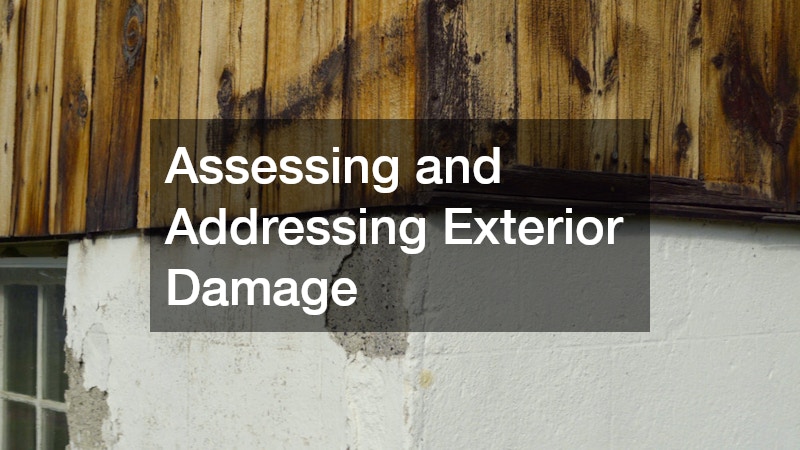
The exterior of a home acts as the first line of defense against weather, pests, and structural wear. Neglecting the roof, siding, or other exterior elements can lead to serious long-term damage that is expensive to fix. Regular inspections after storms or seasonal weather changes are crucial to identifying small problems before they become major repairs. Proper exterior upkeep enhances curb appeal, strengthens the home’s structure, and demonstrates to potential buyers that the property has been cared for diligently.
- Inspect siding, trim, gutters, and roofing for damage or wear.
- Look for loose shingles, cracks, leaks, or missing caulking.
- Document all damage and repairs to provide proof of maintenance.
- Schedule repairs such as roof repair promptly to prevent water intrusion or structural issues.
- Work with trusted professionals for complex repairs to ensure long-term durability.
- Use weather-resistant sealants and materials to reduce long-term costs.
- Maintain landscaping adjacent to the home to prevent moisture and rot.
Storms, falling debris, or heavy rains can significantly impact the exterior. Hiring experienced services ensures repairs are done correctly, protecting both aesthetic appeal and structural integrity. Preventative maintenance like painting, sealing, and weatherproofing reduces the risk of repeated damage and keeps your home visually appealing. A well-maintained exterior also increases property value by signaling that all areas of the home are cared for consistently.
Maintaining Essential Household Systems
Functional mechanical systems are vital to comfort, energy efficiency, and property longevity. The HVAC and plumbing systems, in particular, directly affect the livability of a home. Regular maintenance ensures these systems operate efficiently, preventing unexpected failures and reducing utility costs. Proactive upkeep of critical components also enhances resale value, as prospective buyers often prioritize homes with well-maintained infrastructure. Addressing issues like leaking pipes, malfunctioning HVAC units, or failing water heaters early with appliance repairs reduces the likelihood of major disruptions.
- Replace air filters regularly to improve efficiency and air quality.
- Inspect plumbing lines for leaks, corrosion, or low water pressure.
- Keep detailed maintenance records to provide a clear history for future buyers.
- Address minor repairs promptly to prevent costly major fixes.
- Test water heaters and temperature controls for consistent operation.
- Clean and maintain vents, ducts, and exhaust systems regularly.
Proactive system care also extends to other key components, such as water heaters, sump pumps, and drainage systems. Ensuring proper ventilation, insulation, and pipe integrity prevents unnecessary strain on your systems. Homeowners who prioritize routine maintenance often avoid emergency repairs and enjoy a more comfortable living environment year-round. Tracking performance metrics, energy bills, and repair records provides a roadmap for maintaining efficiency over time.
Preparing for Plumbing Emergencies
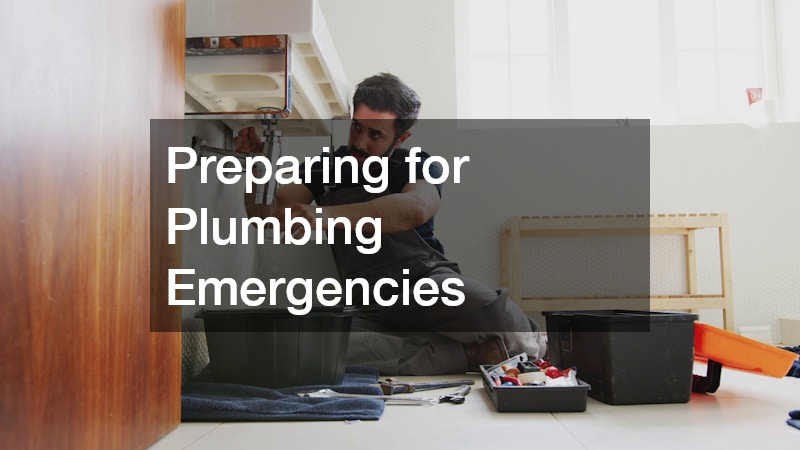
Plumbing emergencies can be among the most disruptive and costly household problems. Burst pipes, backed-up drains, and leaking fixtures can cause immediate damage to flooring, walls, and personal belongings. Early detection, prompt action, and access to reliable professional services are key to minimizing harm. Regular inspections of plumbing systems and preventative maintenance can significantly reduce the likelihood of emergencies.
- Identify signs of plumbing problems, such as low water pressure, unusual noises, or water discoloration.
- Know the location of the main water shutoff valve to prevent flooding.
- Keep contact information for emergency plumbers readily available.
- Perform regular inspections of pipes, faucets, and water heaters.
- Maintain clean and accessible plumbing areas for quick repair work.
- Flush water heaters and inspect valves to maintain efficiency.
- Check sewer lines periodically to detect blockages early.
Having a plan for plumbing emergencies ensures faster response times and reduces stress during urgent situations. Routine maintenance from a local plumber, such as clearing minor blockages and inspecting fixtures, can prevent small issues from escalating into major repairs. Professional services offer the expertise, tools, and experience necessary to handle complex repairs efficiently and safely, keeping your home protected.
Kitchen and Appliance Upkeep
Kitchens are central to a home’s functionality and aesthetic appeal, making them critical to both daily life and resale value. Proper maintenance and timely upgrades in this area can significantly improve usability and modernize your space. Appliance functionality, storage solutions, and layout design all contribute to efficiency and homeowner satisfaction. Well-maintained appliances reduce energy consumption and repair costs, while upgrades like modern countertops, cabinetry, and lighting enhance both aesthetics and usability. Small changes, such as swapping outdated fixtures or adding organizational solutions, can drastically improve workflow and visual appeal. Planning upgrades carefully ensures that the kitchen remains both stylish and practical for years to come.
- Repair or replace appliances promptly to avoid workflow disruptions.
- Upgrade cabinets, countertops, and lighting for both aesthetics and function.
- Optimize kitchen layouts to improve the flow between prep, cooking, and cleanup areas.
- Use energy-efficient appliances to reduce utility costs.
- Maintain surfaces and fixtures to prevent water damage and wear.
- Incorporate smart storage solutions for maximum accessibility.
- Inspect plumbing and electrical systems during renovations to prevent future issues.
Kitchen remodeling services can help homeowners design layouts that maximize space while accommodating modern appliances. Even minor cosmetic updates, such as replacing hardware or updating countertops, can make a significant difference in functionality and appearance.
Maintaining Floors and Surfaces
Floors are one of the most used and visually prominent features in any home. Over time, wear, moisture, and heavy traffic can lead to scratches, stains, and structural damage. Regular inspection and upkeep are crucial to preserve both aesthetics and functionality. Hardwood, tile, laminate, and carpet each require specific maintenance techniques, such as polishing, sealing, deep cleaning, and moisture control. Addressing minor damage early, like small cracks or uneven surfaces, prevents costly repairs later and maintains safety for occupants. A flooring company can provide professional advice on restoration, refinishing, and installation to enhance durability and visual appeal.
- Inspect flooring for scratches, warping, cracks, or loose boards.
- Clean and polish surfaces regularly to maintain appearance and longevity.
- Address water damage immediately to prevent mold or structural issues.
- Use rugs or mats in high-traffic areas to reduce wear.
- Schedule professional refinishing or deep cleaning for hardwood or tile surfaces.
- Replace damaged flooring promptly to maintain safety and property value.
- Consider upgrades to durable, low-maintenance materials to reduce long-term costs by working with local paving companies.
Professional flooring services ensure that surfaces are repaired and maintained to industry standards. Regular maintenance not only preserves visual appeal but also contributes to the home’s overall value. Clean, well-maintained floors enhance comfort, prevent slips or injuries, and improve the home’s marketability. Integrating flooring care with other home maintenance routines creates a cohesive approach that safeguards your investment.
Protecting Against Water Damage
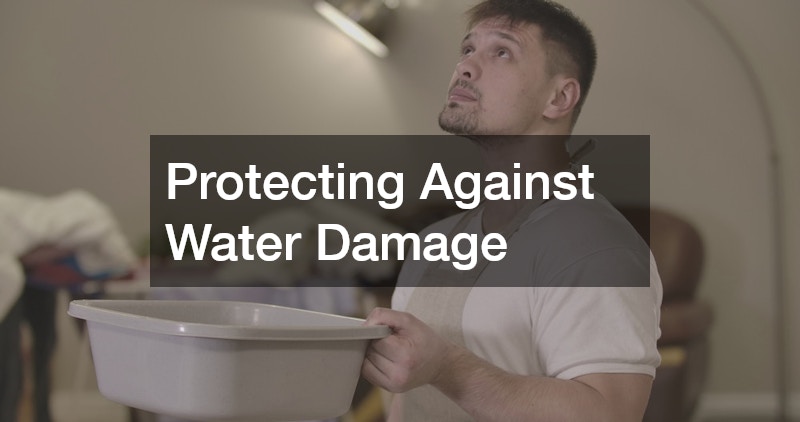
Water damage can be catastrophic, affecting structures, interiors, and personal belongings. Floods, leaks, and backed-up sewer systems are common sources of water intrusion. Preventive measures, quick detection, and professional intervention are critical to minimizing long-term consequences. Homeowners should routinely inspect plumbing, roofing, and drainage systems to identify vulnerabilities. Proper waterproofing, sump pump maintenance, and emergency response plans reduce the risk of extensive damage. Partnering with professionals ensures repairs are thorough, compliant with codes, and executed efficiently. Storm damage repair services may be necessary depending on the severity of the damages. Early action not only preserves property value but also maintains a safe and healthy living environment.
- Inspect plumbing systems for leaks or corrosion regularly.
- Test sump pumps and drainage systems to ensure functionality.
- Monitor basements and crawl spaces for moisture or mold.
- Repair roof leaks promptly to prevent interior water damage.
- Address minor plumbing backups before they escalate into larger problems.
- Keep records of water damage incidents and repairs for future reference.
- Schedule professional flood damage repair for significant incidents to restore safety and structure.
By integrating preventive maintenance with professional flood and plumbing services, homeowners can reduce the frequency and severity of water-related emergencies. Proactive monitoring and repair safeguard interiors, furnishings, and structural elements, protecting both comfort and investment.
Upgrading Windows and Climate Control
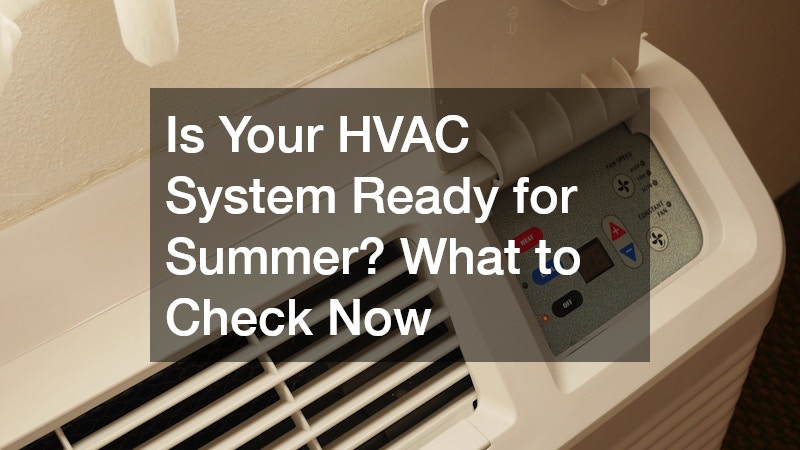
Windows and climate control systems significantly impact energy efficiency, comfort, and the overall value of a home. Properly sealed windows prevent drafts, reduce heating and cooling costs, and minimize noise intrusion. Similarly, well-maintained HVAC systems ensure consistent indoor temperatures, improved air quality, and longer equipment lifespan. Coordinating upgrades between windows and HVAC performance maximizes energy efficiency and reduces long-term utility expenses. Routine inspections, cleaning, and timely repairs enhance functionality and help avoid expensive replacements. Integrating technology like programmable thermostats or energy-efficient windows further improves comfort while demonstrating that the home is well cared for.
- Inspect windows for cracks, leaks, and worn seals.
- Consider tinting or treatments to reduce glare and UV exposure.
- Maintain HVAC filters, ducts, and vents for optimal airflow.
- Schedule regular service with a reputable HVAC company.
- Check for proper insulation around windows to prevent energy loss.
- Upgrade to energy-efficient systems and materials to reduce utility costs.
- Document repairs and replacements to demonstrate system reliability for future buyers.
Combining window and HVAC maintenance creates a more comfortable and efficient living environment. Energy-efficient upgrades not only enhance daily living but also appeal to prospective buyers, signaling long-term cost savings and home care commitment.
Coordinating Multiple Upgrades for Maximum Value
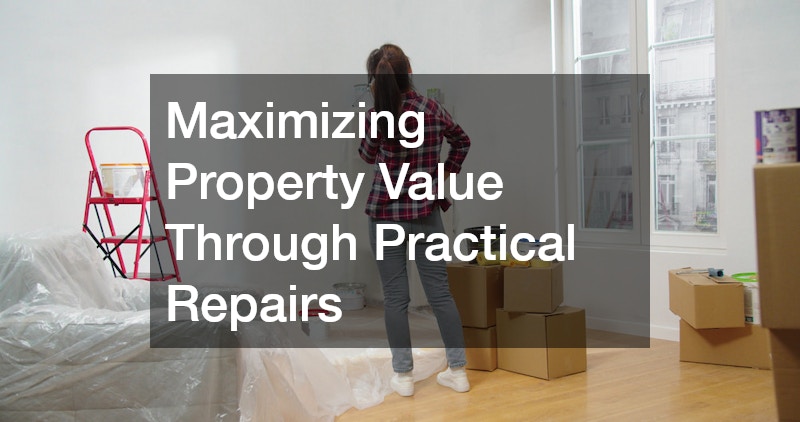
When multiple repairs and upgrades are planned simultaneously, coordination is key to maximizing value and minimizing disruption. Combining interior and exterior projects allows homeowners to optimize timelines, budget, and contractor efficiency. Proper sequencing ensures that work is done in the correct order—for example, addressing roof and plumbing issues before interior renovations prevents rework or damage. Strategic planning also allows for cohesive design, matching materials, colors, and finishes across spaces.
- Create a detailed project timeline for all planned upgrades.
- Prioritize projects based on urgency, visibility, and long-term impact.
- Coordinate contractor schedules to reduce downtime and conflicts.
- Ensure design elements align across interior and exterior improvements.
- Maintain a record of materials, warranties, and maintenance schedules.
- Review project milestones regularly to address potential issues promptly.
- Consider staging renovations to maximize efficiency and minimize disruptions to daily life.
By coordinating multiple upgrades thoughtfully, homeowners can achieve a more harmonious and valuable outcome. Each improvement complements the others, enhancing usability, aesthetics, and resale potential. This method ensures that investments are strategic, cost-effective, and aligned with both immediate and long-term goals.
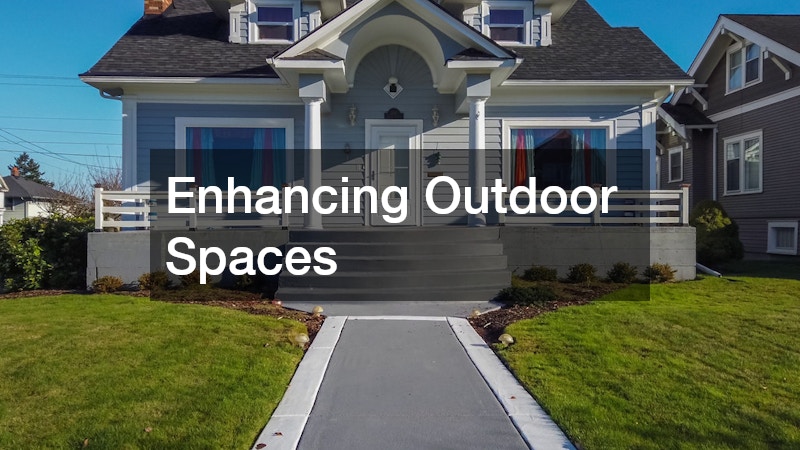
Enhancing Outdoor Spaces
Outdoor areas, including landscaping, hardscapes, and driveways, contribute significantly to curb appeal and overall property value. Well-maintained yards, patios, and driveways not only improve aesthetics but also enhance functionality and safety. Regular maintenance and strategic upgrades ensure these areas remain attractive and durable. Landscaping companies can provide advice on plant selection, irrigation, and seasonal care, while hardscape companies improve walkways, patios, and retaining walls. Asphalt driveway companies help maintain smooth, durable surfaces that prevent cracks and erosion.
- Maintain lawns with seasonal mowing, fertilization, and aeration.
- Inspect and repair driveways, walkways, and patios regularly.
- Remove overgrown trees or branches that threaten structures or power lines.
- Work with landscaping companies to design aesthetically pleasing and sustainable outdoor areas.
- Upgrade hardscape features like retaining walls, fire pits, or patio stones.
- Ensure proper drainage to prevent water pooling and damage.
- Proper window treatment can help to maintain energy efficiency.
Well-planned outdoor improvements increase usability, safety, and long-term value. Regular upkeep, combined with professional guidance, ensures investments in yards, driveways, and hardscapes are maintained effectively, enhancing both lifestyle and property marketability.
Practical, well-timed repairs and upgrades are essential for maintaining a home’s safety, comfort, and market value. Addressing interior systems, exterior structures, plumbing, climate control, and outdoor spaces in a strategic, coordinated way ensures the property remains functional, efficient, and visually appealing. Combining professional expertise with proactive planning reduces the risk of costly emergencies while maximizing the return on every investment. Maintaining detailed records, performing routine inspections, and scheduling preventive maintenance support the long-term durability of all upgrades. By taking a comprehensive approach, homeowners protect their financial investment, enhance day-to-day living, and ensure that their property remains highly desirable in any real estate market. Thoughtful upkeep and smart enhancements create a resilient, efficient, and beautiful home that serves both current needs and future opportunities, providing peace of mind and value for years to come.