Gutters are one of the most overlooked yet essential components of a home’s exterior. They play a critical role in directing rainwater away from your roof, walls, and foundation, protecting your home from water damage. Over time, however, gutters can wear out, become damaged, or fail altogether. Knowing when to replace your gutters is vital for maintaining your home’s structural integrity and avoiding costly repairs. This article explores the key signs that indicate your gutters may need replacement, the risks of delaying action, and the benefits of upgrading to new gutters.
How Do I Know If My Gutters Need to Be Replaced?
Identifying the early signs of gutter deterioration can prevent small problems from turning into major issues. Here are the most common indicators that your gutters are nearing the end of their lifespan.
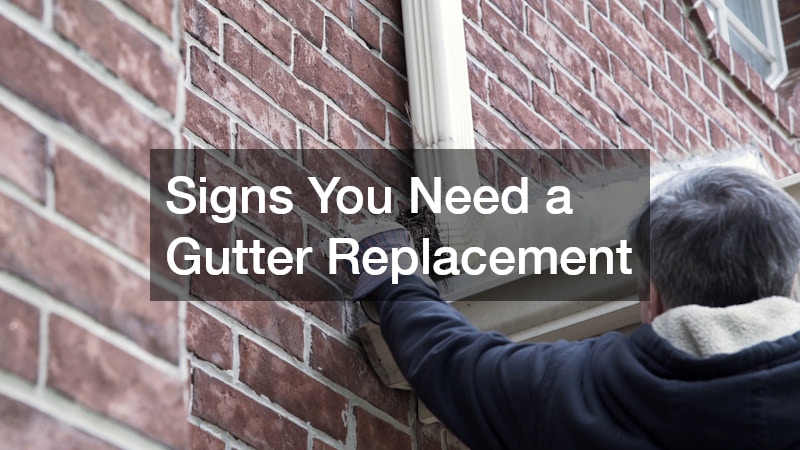
One of the most obvious signs that gutter replacement is needed is the presence of cracks or splits along the gutter channels. These openings can allow water to escape, causing it to pool around your foundation or seep into your siding and walls. Even minor cracks can worsen over time, leading to leaks, erosion, and damage to the landscaping surrounding your home. If you notice visible splits, it’s usually a sign that patching is no longer sufficient and a full replacement is needed.
Gutters that have peeling paint or rust are showing clear signs of wear. Rust can weaken the metal, compromising its ability to carry water effectively, while peeling paint may indicate prolonged exposure to moisture or poor maintenance. Both issues suggest that your gutters are no longer providing reliable protection and may fail under heavy rainfall, necessitating a gutter replacement.
Another critical sign is the presence of water damage or mildew near the home’s foundation. If gutters are clogged, sagging, or leaking, rainwater may not be directed away from your home, causing moisture to accumulate around the base. This can lead to foundation erosion, cracks, and even mold growth. Spotting puddles or mildew near your foundation is a strong indication that your gutter system is no longer functioning properly and needs to be replaced.
What Are the Dangers of Not Replacing Gutters in Time?
Neglecting damaged or worn gutters can have serious consequences for your home. Even minor gutter issues can escalate into significant damage if left unaddressed.
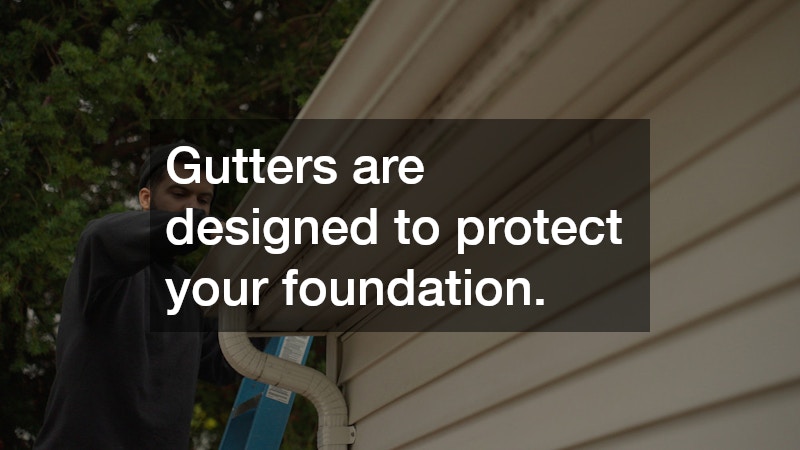
Gutters are designed to protect your foundation by directing rainwater away from your home. When gutters fail, water can pool around the foundation, leading to erosion and structural instability. Over time, this can result in cracks, settling, and costly foundation repairs. Replacing old gutters ensures that water is properly channeled, preserving the stability and safety of your home.
Poorly functioning gutters can also contribute to basement flooding. Water that isn’t properly directed away from the home can seep into the basement through cracks or the walls, damaging flooring, walls, and personal belongings. Basement flooding is not only disruptive but also expensive to remediate. Timely gutter replacement can help prevent water intrusion and the associated financial burden.
Failing gutters can allow water to overflow onto the roof or siding, leading to rot, mold, and staining. The excess moisture can compromise shingles, fascia boards, and exterior walls, reducing the lifespan of your home’s materials. New gutters provide a reliable barrier that protects your roof and siding from water damage, preserving the home’s exterior and reducing maintenance costs.
What Are the Benefits of Replacing Old Gutters?
While replacing gutters may seem like a minor upgrade, it offers a range of practical and financial benefits that enhance your home’s value and protection.
New gutters improve curb appeal and signal to potential buyers that your home is well-maintained. Functional, attractive gutters are often overlooked in property evaluations but can make a significant difference in perceived value. A modern gutter system can be an investment that pays off if you plan to sell your home.
Replacing old gutters ensures improved protection against weather elements. High-quality gutters efficiently channel rainwater and snowmelt away from your home, preventing foundation erosion, basement leaks, and exterior damage. This protection reduces the likelihood of expensive repairs and gives homeowners peace of mind.
New gutters can extend the life of your home’s exterior. By preventing water damage to the roof, siding, and foundation, replacement gutters help maintain the structural integrity of your home for years to come. Durable materials such as aluminum, copper, or vinyl can withstand harsh weather conditions, reducing the frequency of future replacements and maintenance.
Knowing when to replace your gutters is crucial for protecting your home from water damage and structural issues. Key signs that replacement is necessary include visible cracks or splits, peeling paint or rust, and water damage around the foundation. Failing to act in time can result in foundation damage, basement flooding, and roof or siding deterioration. On the other hand, replacing old gutters provides significant benefits, including enhanced property value, better home protection, and increased longevity.
Regular inspection and timely replacement of your gutter system ensure that your home remains safe, attractive, and well-protected against the elements. Don’t wait for small issues to turn into costly problems—upgrading your gutters is a smart investment in the long-term health of your home.